Crawfish vs. Crayfish vs. Crawdads: Which Is It?
Posted On 01.22.2026
Have you ever found yourself in a heated debate at a backyard boil about what to call the delicious critters piling up on your tray? Whether you’re peeling tails in the bayou or catching them in a creek up north, the names seem to change as often as the scenery. It’s a classic linguistic puzzle: crawfish vs. crayfish vs. crawdads. While they all refer to the same freshwater crustacean, the word you choose says a lot more about where you’re from than what you’re eating. Learn more about the history behind the different names and how they came to be with Louisiana Crawfish Co.
The Roots of the Debate: Where Do the Names Come From?
To understand why we can’t agree on a name, we have to look back at the history of the English language itself. It turns out, nobody is technically “wrong;” we’re just all borrowing from different pages of the same history book.
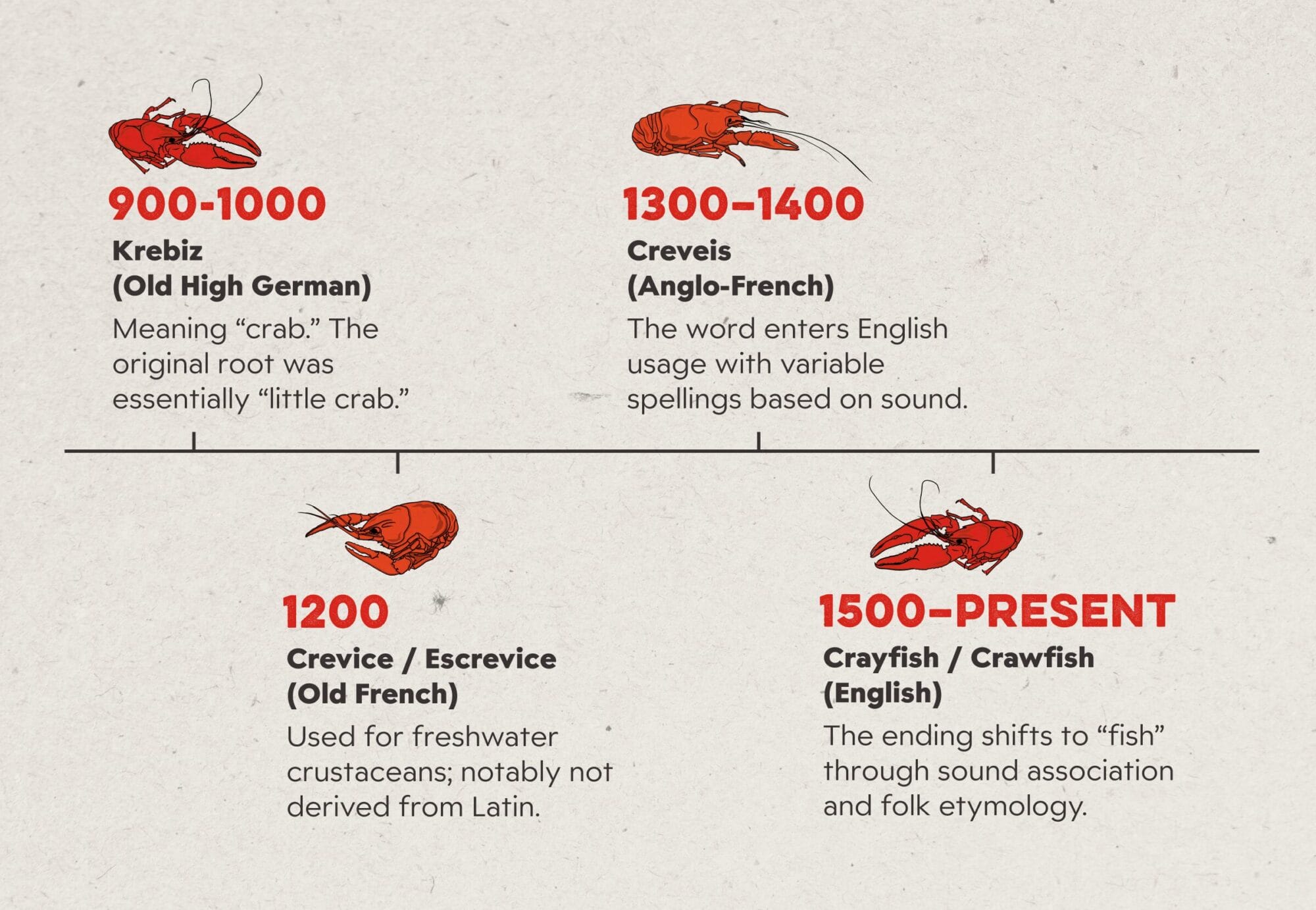
The original word stems from the Old French escrevice, which is derived from the Germanic krebiz (meaning “crab”). As English speakers adopted the word, they anglicized it. Over time, ecrèvisse and crevice morphed into crayfish. This wasn’t because the animal is a fish (it’s definitely a crustacean), but likely because people heard the last syllable and naturally associated it with “fish.”
Changes That Stick in Our Craw
As settlers moved across America, the pronunciation shifted yet again. In the South, particularly here in Louisiana, the word evolved into “crawfish.” It rolled off the tongue a bit easier and became the standard term for the culinary delicacy we know and love.
Meanwhile, folks in the Midlands (think Kansas, Missouri, and Oklahoma) started using “crawdad.” Where does the -dad come from? We don’t really know.
Some believe it’s an offshoot of the rare and highly regional “crawdab” found in East Tennessee and Appalachia. While others think it’s a folksier version of the name, like “doodad.” Still, others say it literally means “dad,” but where does that leave all the crawmamas out there? Don’t they deserve some recognition, too?
Crawfish vs. Crayfish vs. Crawdads: A Regional Map
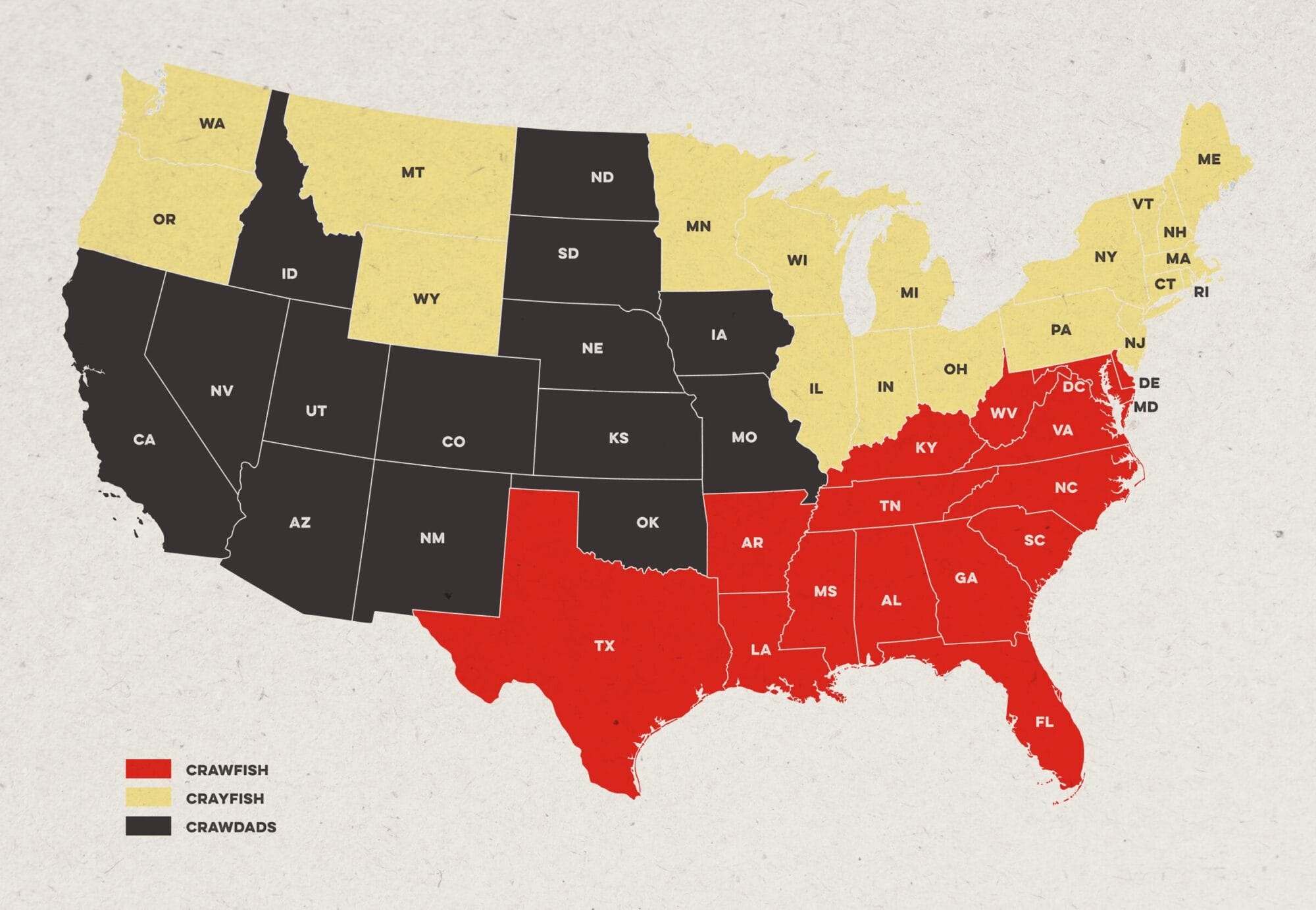
If you drew a map of the United States based solely on what people call these creatures, you’d see three distinct territories.
-
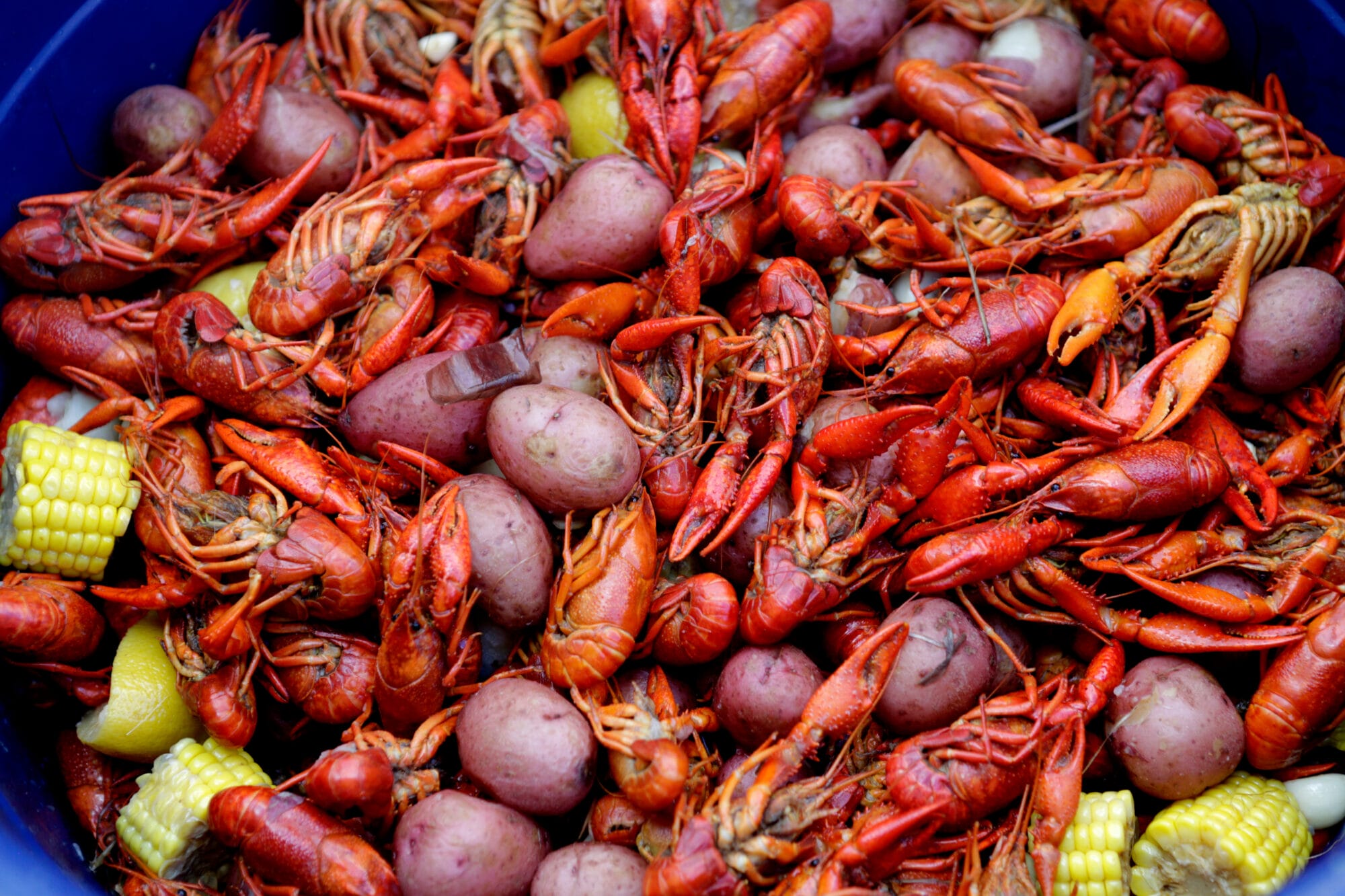
Crawfish: This is the undisputed king of the South. If you are in Louisiana, Mississippi, or the Gulf Coast, you are eating crawfish. It’s not just a biological label here; it’s a cultural icon. The term is heavily tied to food culture, festivals, and the economy.
-
Crayfish: This term dominates the North. From the Great Lakes to the Pacific Northwest, scientific communities and locals alike tend to stick to “crayfish.” It feels a bit more formal, often used in biology classrooms or when talking about invasive species rather than dinner.
-
Crawdads: This is the darling of the Midwest and the West Coast. It implies a kind of nostalgia: kids flipping over rocks in a stream to find bait for fishing. It’s rarely used on a menu, but frequently heard on a riverbank.
There are even hyper-local terms like “mudbugs” (mostly in Louisiana and Texas), a term of endearment that highlights the creature’s habit of burrowing into the wet earth.
Is There a Difference Between a Crawfish and a Crayfish?
Biologically speaking, is there a difference between crawfish and crayfish? The short answer is no. They are the same animal. Whether you call it Procambarus clarkii (the Red Swamp Crawfish) or just a mudbug, it has the same claws, tail, and distinct flavor profile.
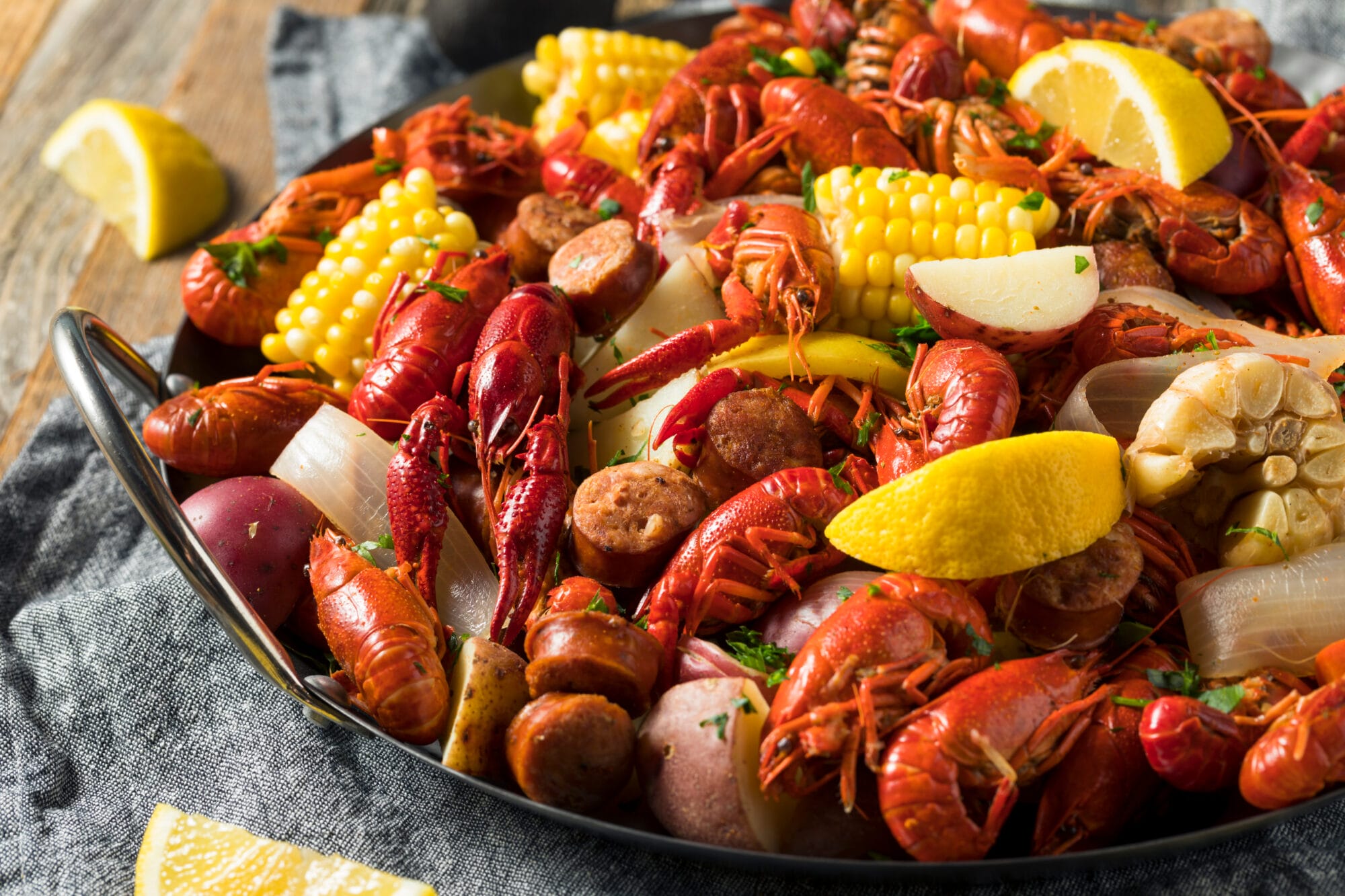
However, culturally speaking, the difference is massive. “Crayfish” often conjures images of scientific study or bait shops in Minnesota. “Crawfish,” on the other hand, immediately brings to mind boiling pots, cayenne pepper, potatoes, corn, and good times with family. The word “crawfish” carries the weight of Louisiana’s rich culinary heritage and implies a celebration of sorts.
Louisiana Crawfish vs. Northern Crayfish
While the animals are related, the industry sets them apart. When we talk about Louisiana crawfish vs. northern crayfish, we are usually comparing a massive, sustainable agricultural industry against smaller, wild-caught populations or invasive species issues.
Louisiana produces approximately 90% of the crawfish in the United States. Our warm, subtropical climate allows for a thriving aquaculture industry where crawfish are farmed in rotation with rice crops. This creates a sustainable cycle that keeps our plates full during the peak season from late winter to early summer.
In the North, “crayfish” (like the Signal Crayfish or Rusty Crayfish) are often seen as pests or bait. They aren’t typically farmed for food on a large scale, which is why you rarely see a “New York Crayfish Boil” advertised with the same gusto as our festivals down here.
Understanding the Types of Crawfish
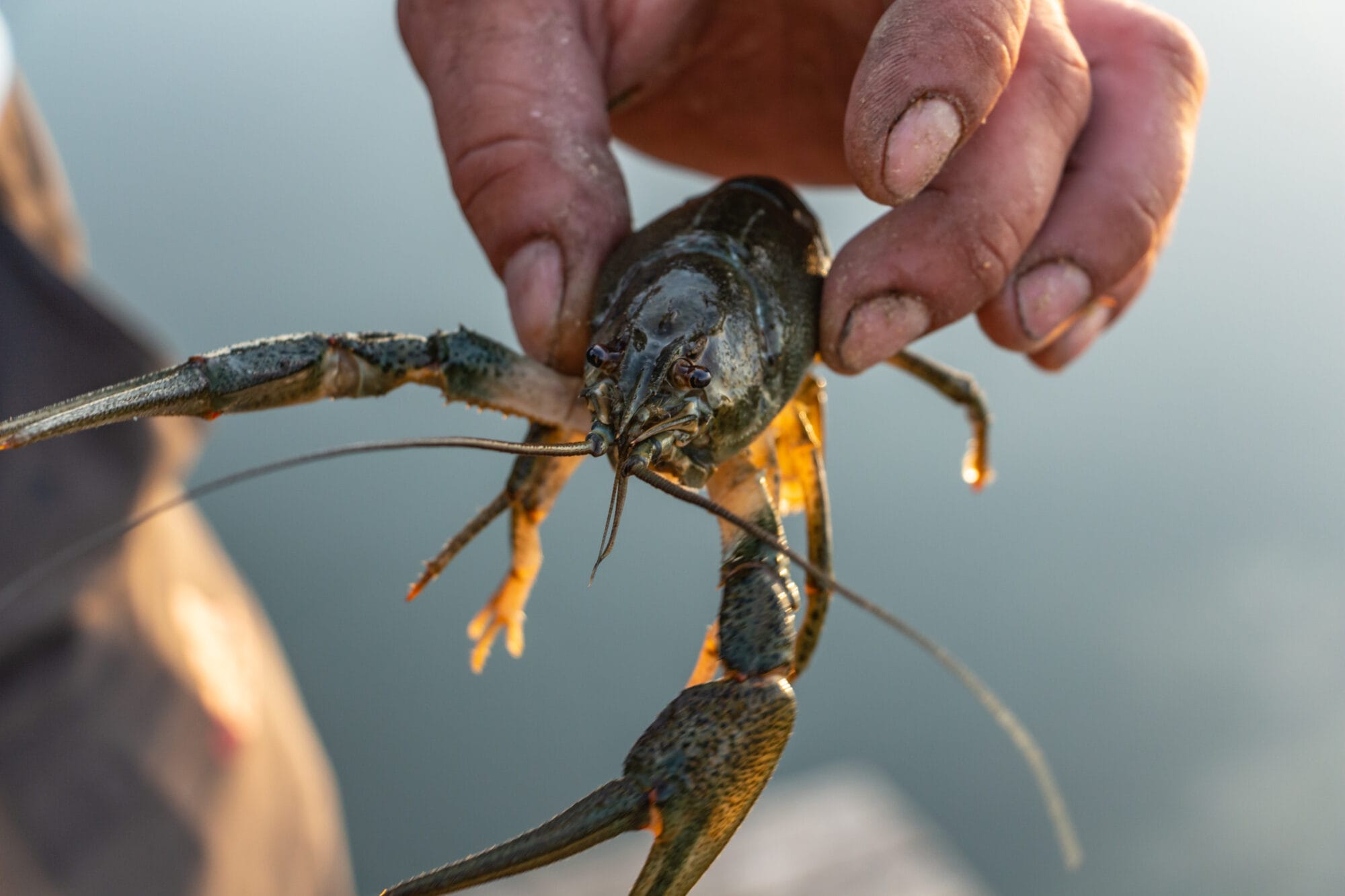
While we love our Red Swamp Crawfish, there are actually over 600 species worldwide. Knowing some of the more common types of crawfish can help you appreciate what ends up on your table.
-
Red Swamp Crawfish (Procambarus clarkii): This is the MVP of the boiling pot. Native to Northern Mexico and the Southern US, it’s hardy, grows fast, and tastes amazing. This is what you are likely eating at a Louisiana boil.
-
White River Crawfish (Procambarus zonangulus): Often found alongside the Red Swamp variety, these are slightly longer and leaner. They have a milder flavor and are a common secondary catch in Louisiana ponds.
-
Signal Crayfish (Pacifastacus leniusculus): Found in the Pacific Northwest, these are larger but can be aggressive. They are more common in European markets where they were introduced to replace dwindling native stocks.
Regardless of the species, the preparation is what makes them truly “crawfish” to us. The community aspect of gathering around a table is universal, even if the taxonomy gets specific.
Why We Stick to “Crawfish”
At Louisiana Crawfish Co., we stick to “crawfish” because it represents more than just a biological organism. It represents our history. When we started in 1985, with one man and a tractor, we weren’t just harvesting crustaceans; we were harvesting a way of life.
The debate over crawfish vs. crayfish vs. crawdads is fun, but it ultimately highlights the rich diversity of American dialects. We love that a single animal can inspire such passion and regional pride. Whether you call them mudbugs, yabbies (if you’re visiting from Australia!), or crawdaddies, we are just happy you’re eating them.
Which One Should You Use?
So, how do you decide which word to use?
-
Use “Crawfish” if: You are eating them, you are in the South, or you want to sound like a pro at a boil.
-
Use “Crayfish” if: You are writing a science paper, you are in the UK, or you are generally from the North or New England.
-
Use “Crawdad” if: You are fishing in a creek in Oklahoma or feeling particularly folksy.
Ready to Taste the Real Thing?
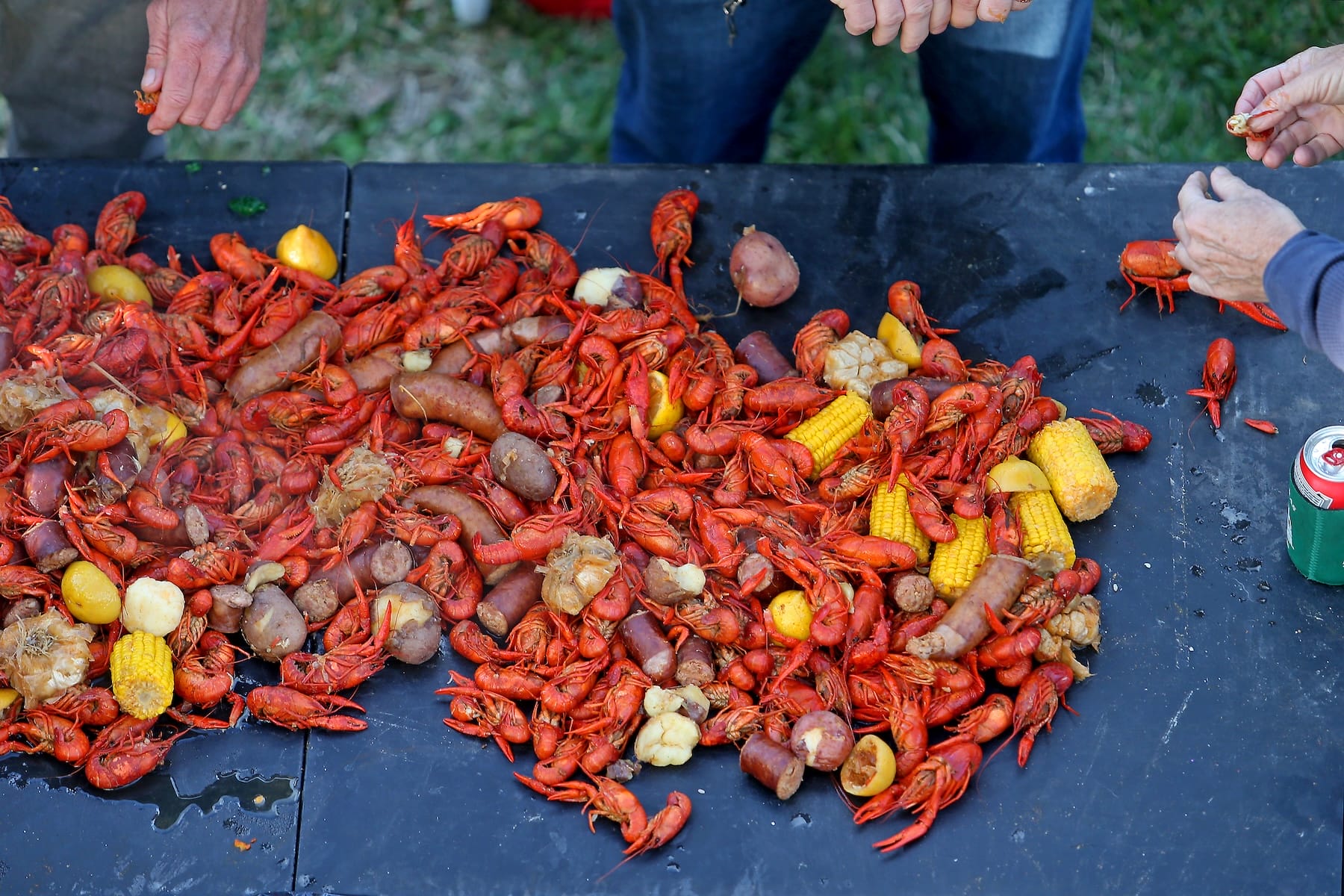
You don’t need to be in Louisiana to enjoy authentic crawfish. We ship fresh, live crawfish directly from our family farm to your doorstep. Order your sack today and start your own tradition, no matter what you call them!