Louisiana Shrimp 101: What Makes Gulf Shrimp So Good?
Posted On 04.13.2026
When you think of Louisiana, your mind likely drifts to the sound of jazz, the vibrant colors of Mardi Gras, and, almost inevitably, the incredible seafood. Our culinary heritage is built on a foundation of bold spices, family traditions, and the bountiful gifts of our waters. While crawfish might be the unofficial mascot of the bayou, there is another crustacean near and dear to our hearts and our kitchens. We are talking about Louisiana Gulf shrimp. Known across the country for their sweet flavor and firm texture, these shrimp are the gold standard for seafood lovers. In this guide, we’re going to peel back the shell and explore exactly why our shrimp stand head and tails above the rest.
Where Louisiana Gulf Shrimp Come From
To understand the quality of our seafood, you have to understand the geography. The Gulf isn’t just a body of water; it’s a complex, living ecosystem. Specifically, the Louisiana coastline is home to vast, nutrient-rich estuaries where the Mississippi River meets the sea. This unique blend of fresh river water and salty ocean water creates the perfect nursery for marine life.
These warm, brackish waters provide an ideal environment for shrimp to thrive. The natural salinity levels and the abundance of nutrients flowing down the river give Louisiana Gulf shrimp a distinct advantage right from the start. They aren’t growing in crowded, artificial ponds: they are swimming freely in a dynamic, natural habitat that imparts that signature sweet, briny flavor you just can’t fake.
Wild-Caught vs. Farm-Raised Shrimp
In the grocery store aisle, you might see bags labeled “farm-raised” next to “wild-caught.” It might not seem like a big difference until you take that first bite. When we talk about wild-caught Gulf shrimp, we are talking about shrimp that have lived their lives in the open waters, feeding on a natural diet.
The difference is stark. Farm-raised shrimp, often imported from overseas, are frequently grown in high-density ponds and fed formulated pellets. This can lead to a milder, sometimes muddy flavor and a softer, mushier texture. In contrast, wild shrimp have to work for their food. This activity builds muscle, resulting in a firm “snap” when you bite into them. Furthermore, because they eat a natural diet from the estuary floor, they absorb the complex minerals and flavors of the Gulf. Here in Louisiana, we are proud that our industry is built almost exclusively on wild-caught harvesting. It’s a harder way to make a living, but the quality on the plate makes it worth every drop of sweat.
Flavor & Texture: What Makes Gulf Shrimp Taste Better
Chefs around the world don’t just ask for “shrimp,” they ask for Gulf shrimp. Why? It all comes down to the profile. Because of that natural diet and the freedom to swim, Louisiana Gulf shrimp develop a sweetness that balances perfectly with the savory brine of the ocean.
There is a complexity to the flavor that you simply don’t get with mass-market, farm-raised alternatives. The texture is equally important. When you cook a Gulf shrimp, it holds its shape. It doesn’t disintegrate into a mealy bite. Whether you are throwing them on a grill, tossing them in a darker roux for a gumbo, or boiling them with corn and potatoes, that firm texture ensures the shrimp remains the star of the dish.
Freshness Matters: From Boat to Table
We’ve been in this business since 1985, starting with just a tractor and a dream, so we know that catching the shrimp is only half the battle. The journey from the boat to your table is critical. In Louisiana, shrimpers take immense pride in their handling processes.
As soon as the nets are hauled in, the clock starts ticking. The best Louisiana Gulf shrimp are iced or flash-frozen almost immediately on the boat or right at the dock. This locks in the freshness and stops the degradation of enzymes that can make seafood taste “fishy.”
This dedication to speed is why choosing to buy Louisiana shrimp direct is often the best strategy for consumers. When you cut out the middlemen and the long supply chains of international imports, you get a product that tastes like it was just pulled from the water. Companies like ours have mastered the logistics of Gulf shrimp online shipping, ensuring that even if you are in a landlocked state, you can experience the same quality as someone sitting at a picnic table in New Orleans.
Sustainability & Regulations in the Gulf
We view ourselves as stewards of the water. If we don’t take care of the Gulf, it won’t take care of us. The Louisiana shrimping industry is one of the most regulated fisheries in the world. We adhere to strict state and federal guidelines regarding Louisiana shrimp season dates, net sizes, and bycatch reduction devices.
These regulations ensure that shrimp populations remain healthy and sustainable for future generations. Seasonal closures allow shrimp to reach maturity and reproduce before harvesting begins. When you eat domestic Gulf shrimp, you are supporting a fishery that prioritizes the long-term health of the ecosystem.
How To Cook Louisiana Shrimp at Home
Cooking with premium ingredients makes your job as a home chef much easier. However, there are a few tips to ensure you don’t ruin a good thing. The biggest mistake people make is overcooking. Shrimp cook incredibly fast, usually in just a few minutes. As soon as they curl into a “C” shape, they are done. If they curl into a tight “O,” they might be overcooked and rubbery.
If you are looking for a classic experience, you need to learn how to boil shrimp. It’s similar to a crawfish boil but much quicker. Use a quality seafood boil seasoning, lemons, and plenty of garlic. Bring your water to a rolling boil, drop the shrimp in, and cut the heat almost immediately after the water returns to a boil. Let them soak to absorb the spice, but watch them like a hawk.
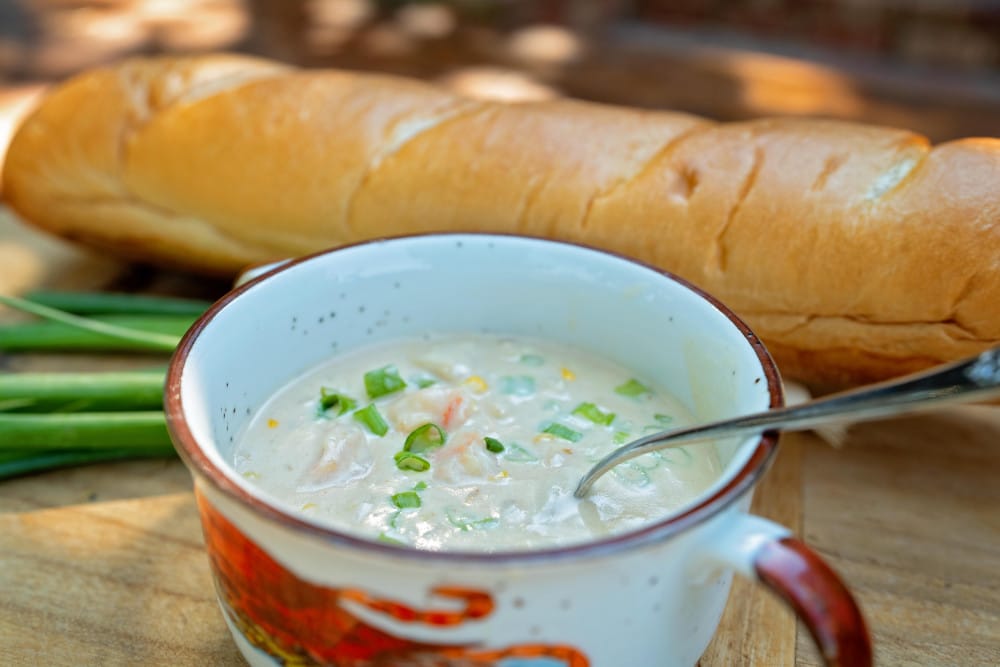
Or, if you’re craving something especially rich, you can try this shrimp, corn, and crab bisque recipe. Our shrimp and grits recipe also gives you a Creole classic dish that’s one of a kind. And Grandma’s Shrimp Creole recipe delivers the bold flavors of the region to your dinner table.
For a hassle-free party, many folks are now turning to Louisiana shrimp boil delivery, getting the seasoning and the seafood sent straight to their door to recreate the authentic experience without the grocery store scavenger hunt.
How To Tell You’re Buying Authentic Louisiana Shrimp
In a crowded market, impostors are everywhere. To ensure you are getting the real deal, you have to read the labels. Look for “Wild-Caught” and “Product of USA.” If the package says “Product of Thailand,” “Vietnam,” or “Ecuador,” those are farm-raised imports, not Gulf shrimp.
Knowing where to buy Louisiana shrimp is half the battle. Your local supermarket might carry them, but availability can be spotty, especially the further you get from the Gulf. The most reliable method is to buy Gulf shrimp online from a reputable Louisiana-based company. Look for businesses that are transparent about their sourcing. When you buy from a local company, you are supporting American families and ensuring that your money stays in the domestic economy.
Taste the Gulf Difference
At Louisiana Crawfish Co., we believe that food is more than fuel: it’s a connection to culture and a way to bring people together. Whether you are planning a massive backyard boil or a simple Tuesday night dinner, choosing authentic Gulf shrimp elevates the meal entirely. The sweet flavor, the firm snap, and the peace of mind knowing you are eating sustainable, wild-caught seafood make all the difference.
We invite you to explore our shop and taste the difference for yourself. From the nutrient-rich waters of the estuary to your front porch, we are proud to deliver the best of the bayou. Have any questions about our products or shipping? Reach out to us online or call 318-379-0539. We’ll be happy to help.






 Alligator Meat 1 lb
  Bougie Bologna Breakfast Sausage 1 lb