All About Alligator: Hunting, Aquaculture, Cooking, & More
Posted On 07.31.2026
Ask anyone who grew up in the bayou, and they’ll tell you the alligator is more than a swamp creature. It’s a symbol of Louisiana itself. For generations, our family at Louisiana Crawfish Co. has lived and worked alongside the very waters these animals call home, and we’ve come to know Louisiana alligator meat the way a fisherman knows the tide. We’ve watched the industry grow, helped customers discover gator for the first time, and shipped countless pounds of it across the country. So whether you’re curious about how it’s harvested, what it tastes like, or where to buy alligator meat online, we’re here to walk you through every step.
Why Louisiana Alligator Meat Is Worth Knowing
Let’s start with a little perspective. The American alligator was once teetering on the edge of disappearing. Decades of overhunting had pushed populations dangerously low. Then something remarkable happened. Through careful state management and a true partnership between hunters, farmers, and biologists, the alligator made one of the greatest comebacks in conservation history.
Today, Louisiana is the beating heart of that story. Our marshes and swamps support a thriving, well-regulated alligator population, and the meat that comes from it has become a genuine delicacy. When you sit down to a plate of Louisiana alligator meat, you’re tasting the result of nearly half a century of stewardship. That’s something we never take for granted down here.
From the Marsh: Wild-Harvested Alligator
The wild side of the industry runs on tradition, patience, and a deep respect for the land.
The Alligator Hunting Season in Louisiana
The alligator hunting season in Louisiana is short and tightly controlled, typically opening in late August and stretching through September across most of the state. The Louisiana Department of Wildlife and Fisheries sets the rules, and they take them seriously. This narrow window lines up with the natural rhythms of the marsh, when the animals are most active and the harvest can be managed responsibly.
New Season Proposal
On May 7, 2026, the Louisiana Wildlife and Fisheries Commission unveiled a proposal for a new Recreational Alligator Hunting Season. And if it becomes reality, it could completely change the game for outdoor enthusiasts across the state.
The proposal aims to give everyday residents a shot at adventure while keeping Louisiana’s gator population in check. Under the plan, a special lottery system would allow residents aged 16 and up to obtain recreational hide tags to hunt alligators across eight designated zones. With strict no-commerce rules, mandatory reporting, and an October hunt window, the proposal is designed to celebrate Louisiana’s shared heritage, manage overabundant gators, and give people a firsthand taste of the wilder side of the Bayou State.
Nothing is set in stone yet, but this one is definitely worth keeping an eye on.
Licensing and Tags
You can’t simply head out to the swamp and start hunting. Every harvester must obtain a license to hunt alligator. Licensed hunters receive a specific number of tags tied to the acreage and habitat they manage. Each alligator taken must be tagged immediately, which lets the state track exactly how many animals come out of the wild each year. This tag system is the backbone of the whole program. It keeps the population healthy while still allowing a sustainable harvest.
Methods and the Hunters Behind It
Most wild harvesting relies on baited hook lines set along the water’s edge, checked daily by hunters who know these marshes like their own backyard. Many of these families have been working the same land for generations. The result is wild alligator meat that many connoisseurs prize for its firm texture and rich, natural flavor, shaped by a life spent feeding on fish and crustaceans in the open swamp.
From the Farm: Alligator Aquaculture in Louisiana
Alongside the wild harvest sits an equally important partner: aquaculture.
Alligator farming in Louisiana is a fascinating piece of the conservation puzzle. Here’s how it works. Farmers are permitted to collect a portion of alligator eggs from the wild marsh. They incubate those eggs and raise the hatchlings in warm, controlled conditions where they grow quickly and safely, free from the predators that would claim most of them in the wild.
Then comes the part that makes the whole system work. Farmers return an agreed-upon percentage of those grown alligators back to the marsh, replenishing the wild population year after year. It’s a true give-and-take that benefits everyone. Because farm-raised gators grow in such consistent conditions, the meat tends to be wonderfully tender and uniform in size, which is exactly why so many restaurants and home cooks reach for it.
What Parts of the Alligator Are Edible?
If you’ve never cooked gator before, you might be wondering what parts of the alligator are edible. The answer is more generous than you’d expect. Each cut brings its own personality to the table.
-
Tenderloin: The prized white meat from along the tail. It’s the most tender and mildest cut, perfect for grilling or frying.
-
Tail meat: Lean and versatile, ideal for gumbo, sauce piquante, or kabobs.
-
Nuggets: Bite-sized pieces that are breaded and fried turn into pure crowd-pleasers.
-
Legs: Bone-in and full of flavor, eating a lot like a meatier chicken wing.
-
Ribs: Marinated and slow-cooked into a smoky, hands-on treat.
Understanding these cuts is the first step toward cooking gator with confidence, and it’s part of what makes Louisiana alligator meat so much fun to work with in the kitchen.
The Nutrition: Is Alligator Meat Lean or Fatty?
For the health-minded cook, gator has a pleasant surprise in store. So is alligator meat lean or fatty? It lands firmly on the lean side. The tenderloin in particular is remarkably low in fat while delivering a serious punch of protein, often comparing favorably to chicken breast. That leanness is one reason gator has earned a spot at so many Louisiana tables. It’s a feel-good protein that doesn’t skimp on flavor.
How To Cook Alligator Meat
Learning how to cook alligator meat is easier than you might think, and the golden rule is simple: don’t overcook it. Because gator is so lean, leaving it on the heat too long can turn it tough and chewy. Treat it with a light touch, and you’ll be rewarded every time.
So what are the most common ways to cook alligator in a Louisiana kitchen? These are the methods we lean on most.
Fried Gator Nuggets
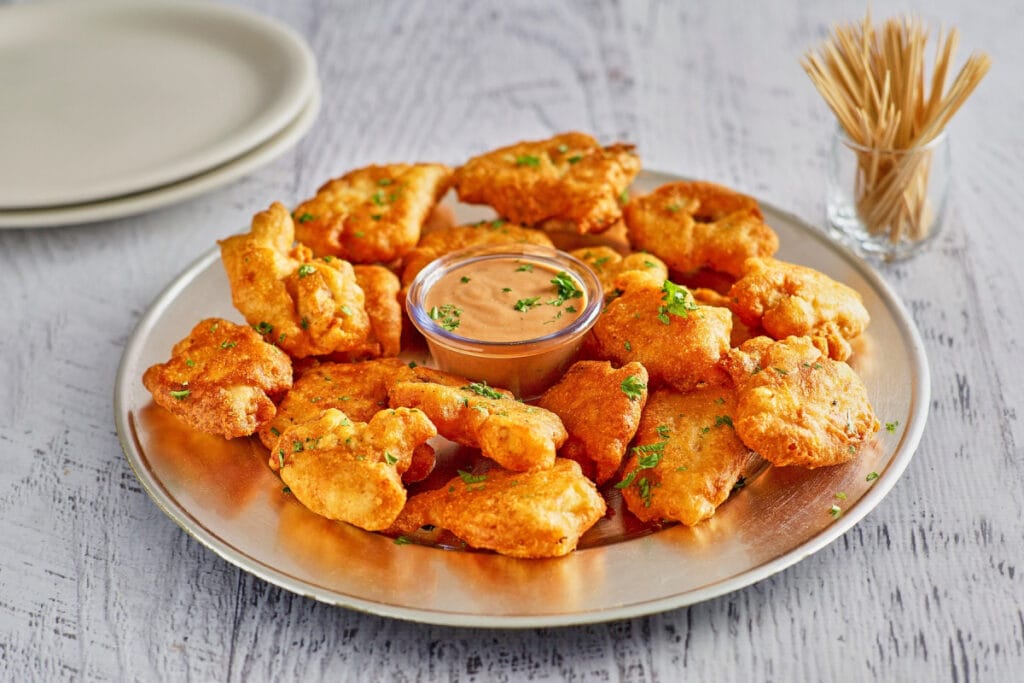
The all-time classic. Season your nuggets, dredge them in seasoned flour or a light batter, and fry until golden. Pair them with a remoulade or a spicy dipping sauce and watch them vanish.
Grilled Tenderloin Kabobs
Cut tenderloin into chunks, marinate in olive oil, lemon, and Cajun seasoning, then thread onto skewers with peppers and onions. Grill quickly over high heat, just two to three minutes per side.
Slow-Smoked Ribs and Legs
For the cook with time to spare, marinated ribs and legs love the low-and-slow treatment. The smoker turns these cuts meltingly tender and wraps them in a smoky bark that disappears fast.
Sauce Piquante
Want to taste real bayou tradition? Simmer tail meat in a spicy, tomato-based gravy and serve it over a bed of rice. It’s comfort food the Louisiana way, perfect for feeding a hungry crowd.
Why Louisiana Crawfish Co. Is Your Trusted Gator Source
We’ve been part of this industry since one man, one tractor, and one vision started it all back in 1985. Four decades later, our family still lives and breathes the Louisiana seafood business, and that includes deep roots in the alligator trade. We know our suppliers, we understand the marshes, and we recognize quality the moment we see it.
When you buy alligator meat online from us, you’re getting product that’s harvested, processed, and shipped with the same care we’d give our own family table. Our full lineup makes it easy to bring the bayou home:
-
Alligator Tenderloin for grilling and kabobs
-
Alligator Nuggets for frying
-
Alligator Legs, marinated or non-marinated, bone-in
-
Alligator Ribs for the smoker
-
Whole Skinned Alligator for the truly adventurous host
-
The Alligator Sampler, a perfect way to taste a little of everything
One quick note on shipping: due to state regulations, we’re unable to send whole skinned alligators to Texas. Everywhere else, we make it simple to get authentic gator delivered right to your door.
Bring the Bayou to Your Table
From the quiet marshes where the alligator hunting season in Louisiana unfolds each fall, to the farms that keep our wild population thriving, to the cast-iron skillet where it all comes together, the alligator tells the story of this state better than almost anything else. It’s a story of resilience, tradition, and incredible flavor.
We’d love for you to be part of it. Start with a simple bag of nuggets and a good dipping sauce, then work your way toward kabobs, ribs, and beyond. When you’re ready to stock the kitchen, buy alligator meat online from the family that’s been bringing Louisiana to tables across the country since 1985. Contact us anytime if you have questions. Fire up the skillet, gather your people, and let the good times roll!






 LA Select Peeled Gulf Shrimp 31-40 count 1 lb IQF
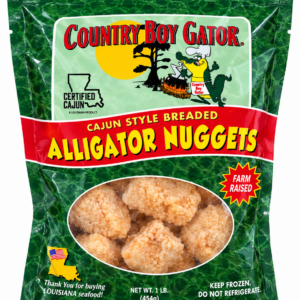 Alligator Nuggets 1 lb